
 By Procedure, Calipers, General Surgery Instruments, Measuring Devices, Miscellaneous General
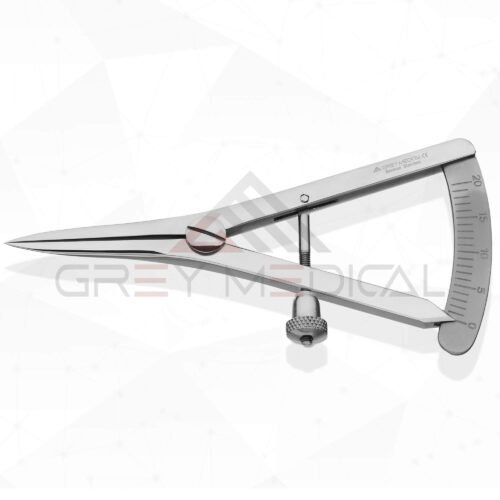
Castroviejo Caliper
Price range: $45.00 through $50.00Select options This product has multiple variants. The options may be chosen on the product pageQuick View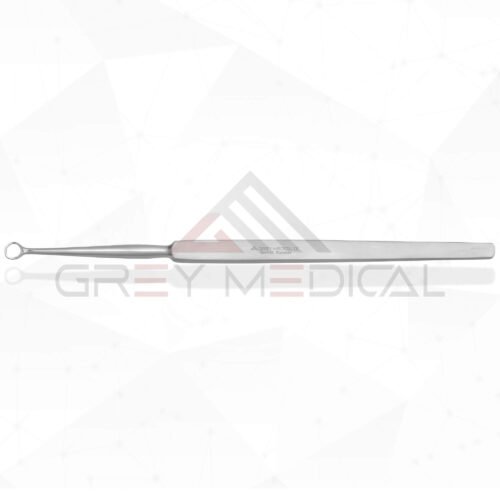 By Procedure, dermal curettes, General Surgery Instruments, Measuring Devices, Miscellaneous General, Orthopedic Instruments, Orthopedic Surgery Instruments
Fox Dermal Curette
$30.00Select options This product has multiple variants. The options may be chosen on the product pageQuick View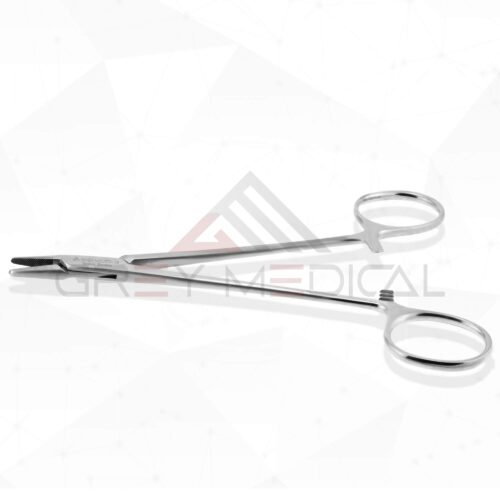
 By Procedure, Castro-Type Micro Needle Holders, Dental, Dental Needle Holder, Measuring Devices, Sinus Forceps
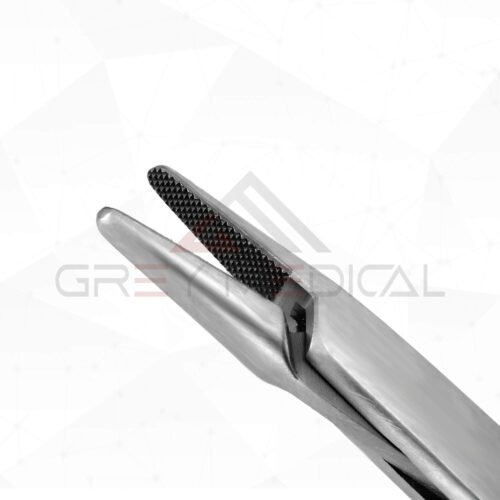
Hegar-Baumgartner Needle Holder
Price range: $23.00 through $25.00Select options This product has multiple variants. The options may be chosen on the product pageQuick View- By Procedure, General Surgery Instruments, Measuring Devices, Miscellaneous General
Rulers
Price range: $20.00 through $55.00Select options This product has multiple variants. The options may be chosen on the product pageQuick View



Measuring Devices
Measuring devices help place, align, and size during surgeries. Explore Grey Medical’s major offerings in this category, along with their key features.
Measuring devices assist surgeons in aligning, sizing, and properly placing accessories during the surgery. When a practitioner sets out to measure the diameter of a heart valve or the depth of a surgical wound, they use properly calibrated measuring devices. Grey Medical offers a wide range of measuring devices, as we believe in accuracy for successful outcomes.
What makes Grey Medical’s Measuring Devices Dependable for Accurate Measurements?
As measurements require concentration, we have made our measuring devices from high-grade surgical steel with a non-reflective finish. This reduces surgical glare, enabling easier maneuverability. Furthermore, once the measurement is done, our tools give the option of “freezing” the markings for keeping a record.
Key Features
Here are the major key features of our measuring devices, which make them distinct and dependable, precisely:
- Proper Graduations: All our measuring devices come with well-graduated markings. Usually, we use laser-etching technology for precision and accuracy.
- Easy Maintenance: As measuring devices are repeatedly used during surgical manipulation, they need to be washed again and again. Therefore, we use our measuring devices come made with high-grade steel that doesn’t go bad even after multiple rounds.
Variety at Grey Medical
Note down the following premium measuring devices available at Grey Medical for your convenience, precisely:
Calipers
Typically, surgeons use calipers to measure the depth and thickness of a cavity or tissue. Moreover, it also finds use in measuring the distance between two sides.
- Castroviejo Caliper: Mostly, surgeons belonging to plastic surgery and orthopaedics use this caliper. It has a screw-locking mechanism. Furthermore, it features a scale to measure small distances.
- Townley Femur Caliper: During fracture repair, orthopaedics use the Townley femur caliper to measure the depth and diameter of the femur. Accurate measurements help realign the fractured bone.
Rulers and Scales
Surgeons use rulers and scales for surface measurements. Mostly, practitioners require the following rulers and scales, such as:
- Ruler: Limbs are mostly measured with a straight-edged ruler. Sometimes, practitioners may use them to measure the bone plate.
- Centimeter Subtraction Ruler: In cardiovascular or OB/GYN surgeries, surgeons require a centimeter subtraction ruler. These help measure indirectly by subtracting one measurement from another.
- Kuntscher X-Ray Scale: Orthopaedics requires precisely measuring the Kuntscher nails. Therefore, this scale is a specialised offering for orthopaedics.
Compass
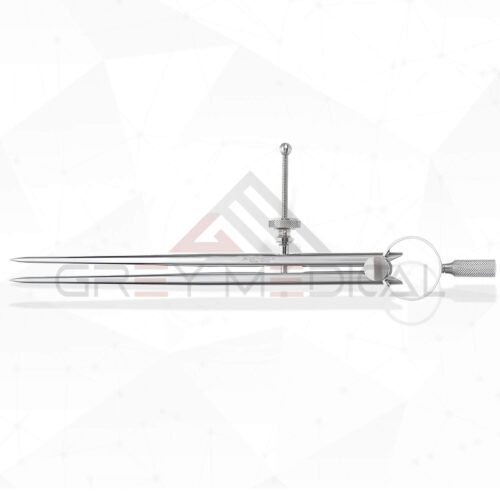
- Bone Compass: The diameter and width of a bone can be measured with the help of a bone compass. Having correct measurements ensures surgical success.
Goniometer Polk Finger
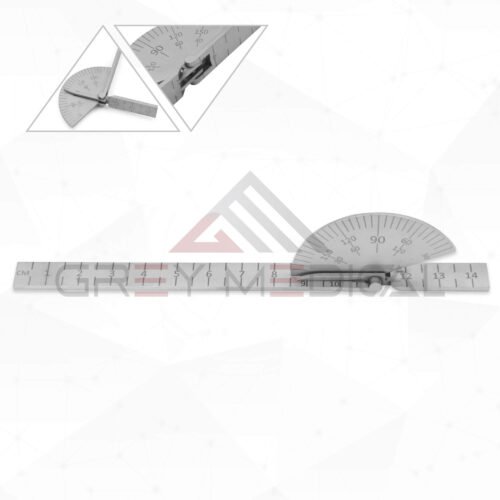
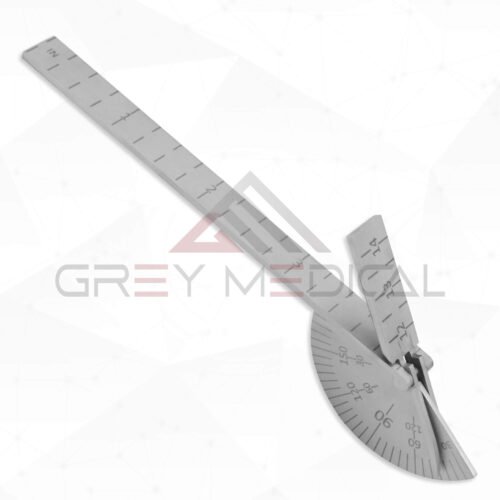
Orthopaedics may use a Goniometer Polk Finger for measuring fingers and small joints of the hands. Usually, it works wonders in providing measurements of angles.
Get Yours Now!
If you are looking for dependable measuring devices, look up on our website and contact us now!