
 By Procedure, dermal curettes
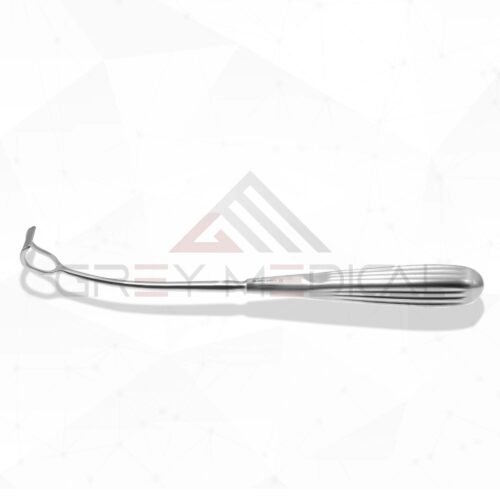
Barnhill Adenoid Curette Reverse
$55.00Select options This product has multiple variants. The options may be chosen on the product pageQuick View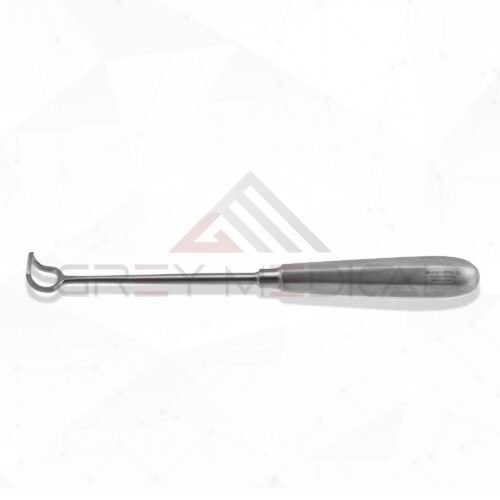 By Procedure, dermal curettes, Ent Surgery Instruments
Beckmann adenoid curette
$55.00Select options This product has multiple variants. The options may be chosen on the product pageQuick View By Procedure, Curettes, dermal curettes, General Surgery Instruments, OB/GYN
Bumm Uterine Curette
$50.00Select options This product has multiple variants. The options may be chosen on the product pageQuick View By Procedure, dermal curettes, Orthopedic Instruments, Orthopedic Surgery Instruments
Curette Excavator Double Ended
$65.00Select options This product has multiple variants. The options may be chosen on the product pageQuick View By Procedure, dermal curettes, Orthopedic Instruments, Orthopedic Surgery Instruments
Curette With Hole
Price range: $65.00 through $70.00Select options This product has multiple variants. The options may be chosen on the product pageQuick View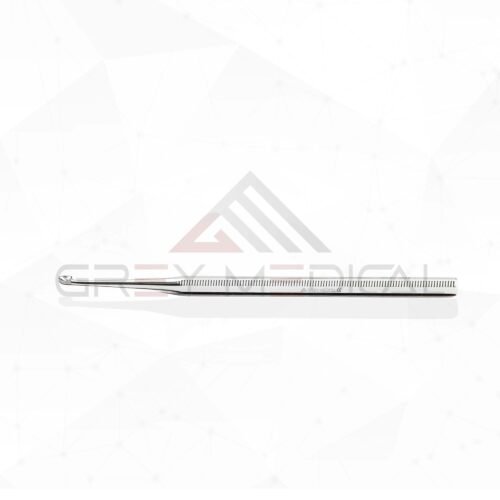 By Procedure, dermal curettes, Orthopedic Instruments, Orthopedic Surgery Instruments
Curette Without Hole
Price range: $65.00 through $70.00Select options This product has multiple variants. The options may be chosen on the product pageQuick View- By Procedure, dermal curettes, Foot And Ankle Instruments, Ortho Curette & Elevator, Orthopedic Instruments, Retracting & Exposing Instruments
Curettes Long Handle Toothed
$55.00Select options This product has multiple variants. The options may be chosen on the product pageQuick View - By Procedure, Curettes, dermal curettes, General Surgery Instruments, OB/GYN
Duncan Endometrial Biopsy Curette
Price range: $70.00 through $75.00Select options This product has multiple variants. The options may be chosen on the product pageQuick View - By Procedure, dermal curettes, General Surgery Instruments, Measuring Devices, Miscellaneous General, Orthopedic Instruments, Orthopedic Surgery Instruments
Fox Dermal Curette
$30.00Select options This product has multiple variants. The options may be chosen on the product pageQuick View - By Procedure, dermal curettes, Ent Surgery Instruments, FESS Instruments, Paranasal Sinuses Instruments, Sinus Forceps
Frontal Sinus Curette
Original price was: $180.00.$150.00Current price is: $150.00.Select options This product has multiple variants. The options may be chosen on the product pageQuick View - By Procedure, Curettes, dermal curettes, General Surgery Instruments, OB/GYN
Greene Uterine Curette
$50.00Select options This product has multiple variants. The options may be chosen on the product pageQuick View - By Procedure, dermal curettes, Orthopedic Instruments, Orthopedic Surgery Instruments
House Stapes Curette
$65.00Select options This product has multiple variants. The options may be chosen on the product pageQuick View - By Procedure, dermal curettes, Ent Surgery Instruments
Jones adenoid curette
$45.00Select options This product has multiple variants. The options may be chosen on the product pageQuick View - By Procedure, Curettes, dermal curettes, General Surgery Instruments, OB/GYN
Kelly-Gray Endocervical & Endometrial Biopsy Curette
$45.00Select options This product has multiple variants. The options may be chosen on the product pageQuick View - By Procedure, Curettes, dermal curettes, General Surgery Instruments, OB/GYN
Kevorkian-Younge Biopsy Curette
$40.00Select options This product has multiple variants. The options may be chosen on the product pageQuick View - By Procedure, Curettes, dermal curettes, General Surgery Instruments, OB/GYN
Kevorkian-Younge Curette
$40.00Select options This product has multiple variants. The options may be chosen on the product pageQuick View - By Procedure, dermal curettes, Orthopedic Instruments, Orthopedic Surgery Instruments
Mcglamry Bullneck Curettes
$55.00Select options This product has multiple variants. The options may be chosen on the product pageQuick View - By Procedure, Curettes, dermal curettes, General Surgery Instruments, OB/GYN
Novak Endocervical Suction Biopsy Curette
$45.00Select options This product has multiple variants. The options may be chosen on the product pageQuick View - By Procedure, dermal curettes, Orthopedic Instruments, Orthopedic Surgery Instruments
Orthopedic Curette Without Hole
Price range: $65.00 through $70.00Select options This product has multiple variants. The options may be chosen on the product pageQuick View - By Procedure, dermal curettes, Foot And Ankle Instruments, Ortho Curette & Elevator, Orthopedic Instruments, Retracting & Exposing Instruments
Osteotomes Curette
$49.00Select options This product has multiple variants. The options may be chosen on the product pageQuick View - By Procedure, dermal curettes, Dermal Instruments, General Surgery Instruments, Miscellaneous General, Orthopedic Instruments, Orthopedic Surgery Instruments
Piffard Dermal Curette
$60.00Select options This product has multiple variants. The options may be chosen on the product pageQuick View - By Procedure, Curettes, dermal curettes, General Surgery Instruments, OB/GYN
Recamier Placenta Curette
$53.00Select options This product has multiple variants. The options may be chosen on the product pageQuick View - By Procedure, dermal curettes, Foot And Ankle Instruments, Ortho Curette & Elevator, Orthopedic Instruments, Retracting & Exposing Instruments
Ring Curette
Price range: $35.00 through $40.00Select options This product has multiple variants. The options may be chosen on the product pageQuick View - By Procedure, Curettes, dermal curettes, General Surgery Instruments, OB/GYN
Sims (Thomas) Curette
$50.00Select options This product has multiple variants. The options may be chosen on the product pageQuick View - By Procedure, Curettes, dermal curettes, General Surgery Instruments, OB/GYN
Sims Uterine Curettes
Price range: $38.00 through $40.00Select options This product has multiple variants. The options may be chosen on the product pageQuick View - By Procedure, dermal curettes, Ent Surgery Instruments
Stubbs adenoid curette
$60.00Select options This product has multiple variants. The options may be chosen on the product pageQuick View
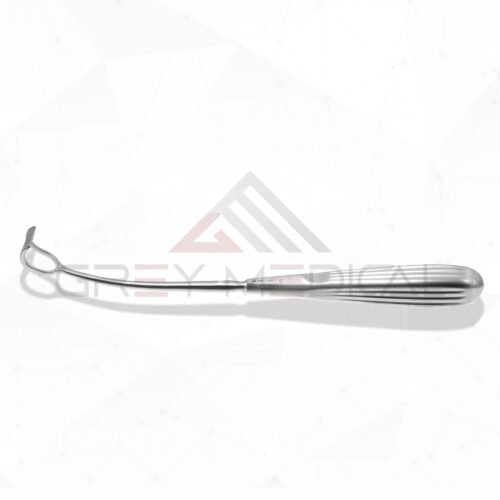
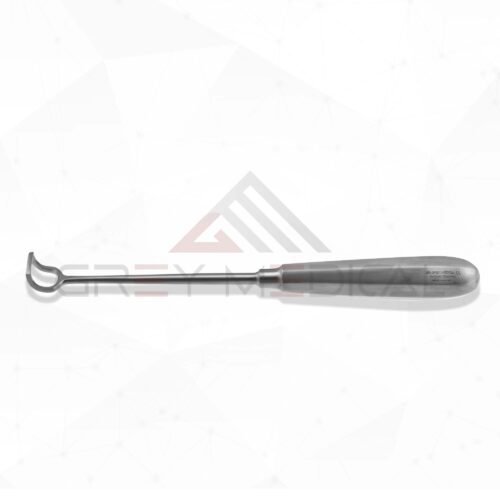


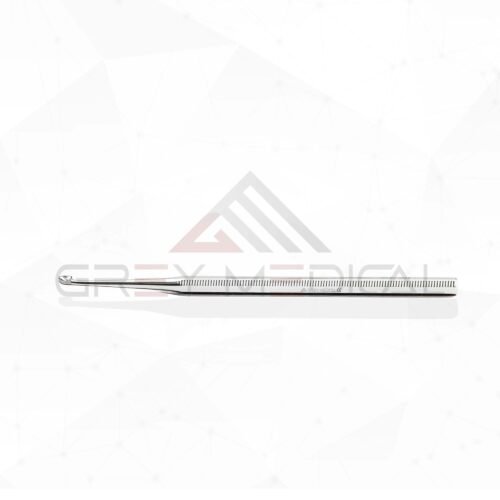


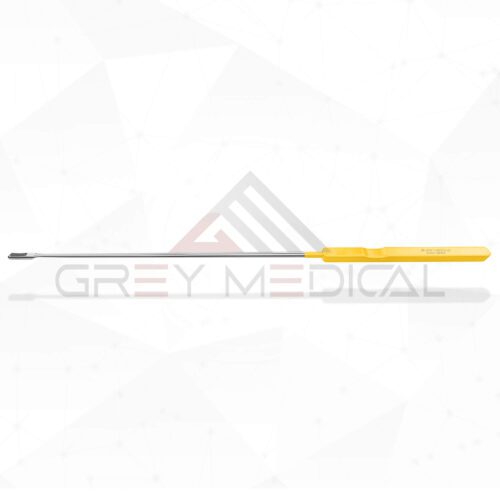
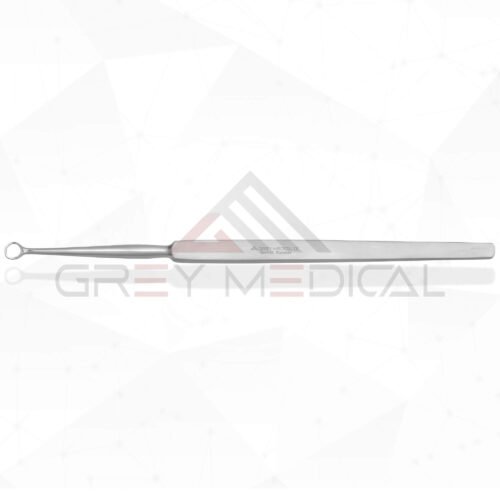
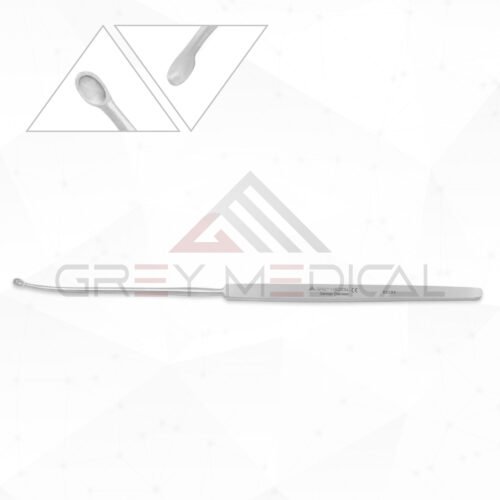

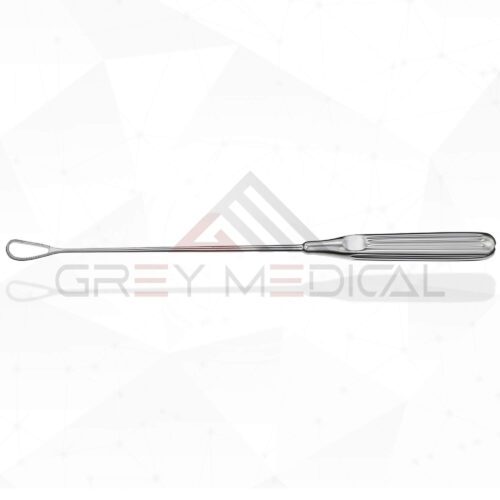
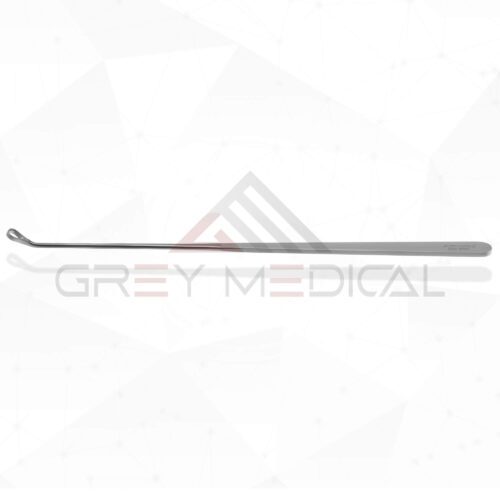
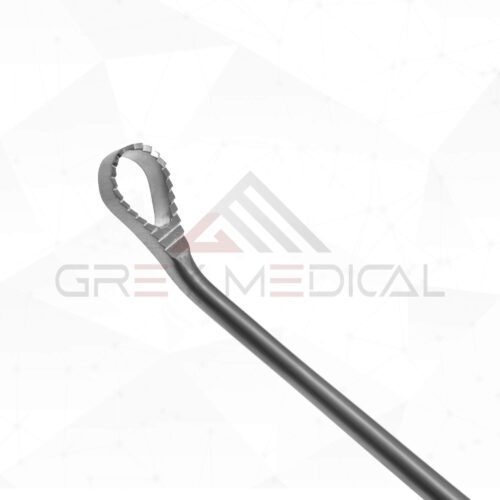


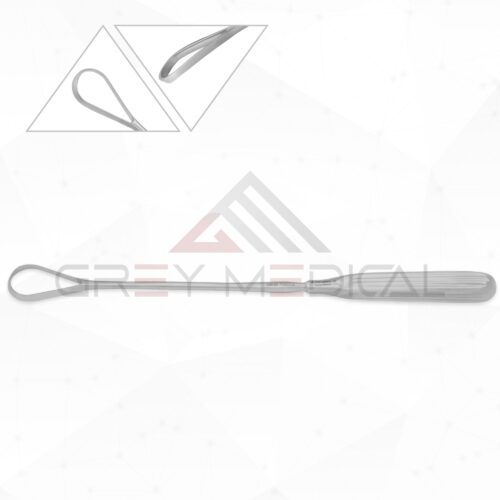
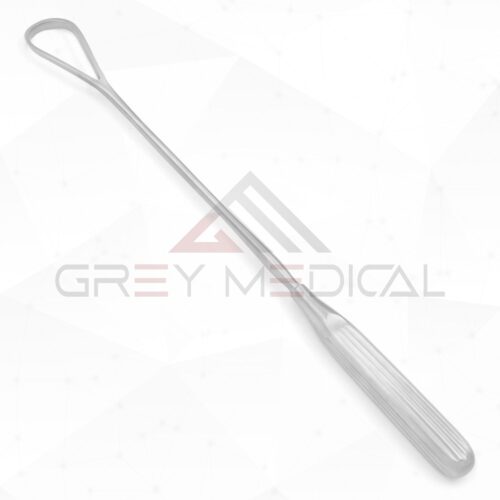
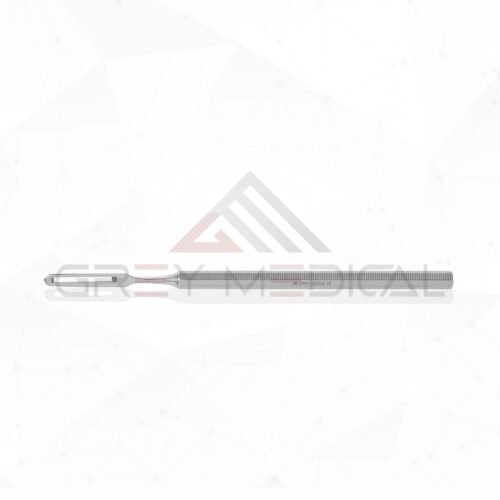
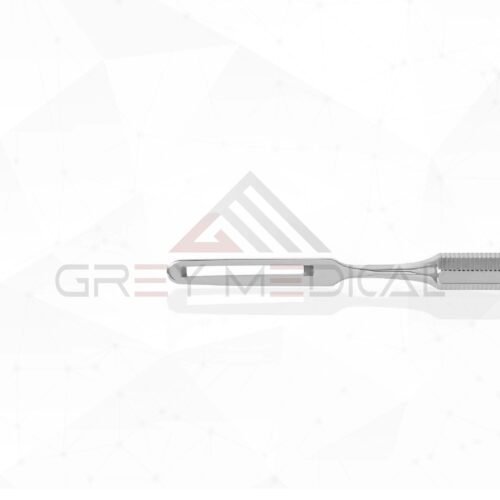
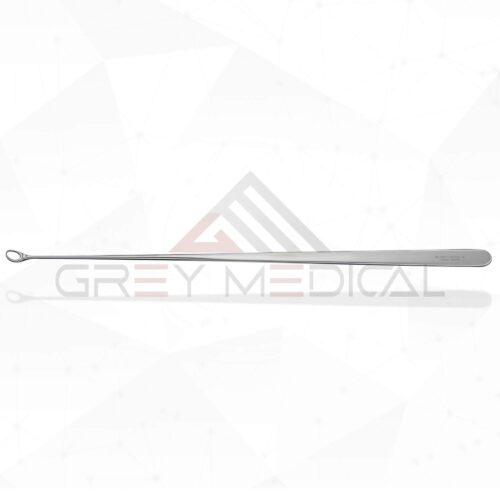

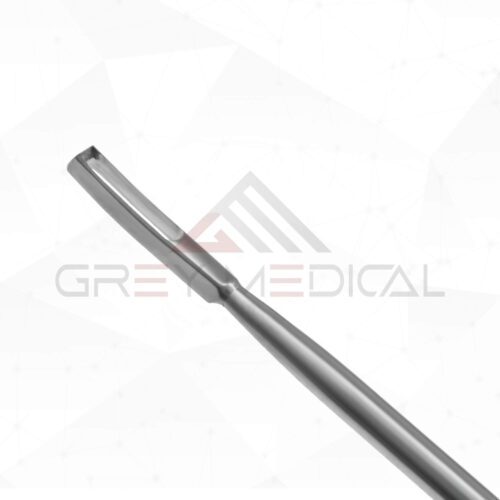


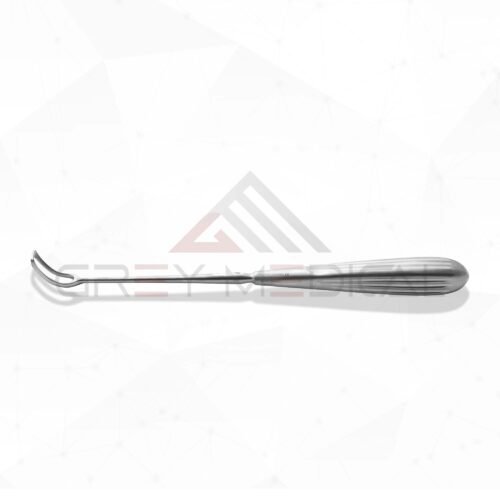
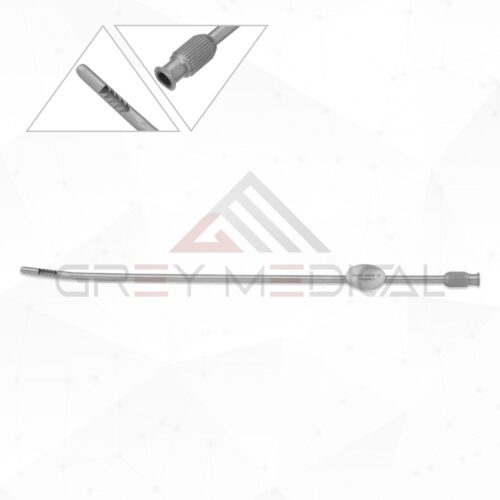
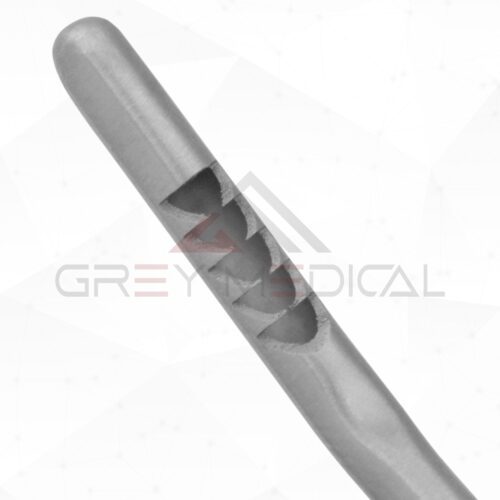
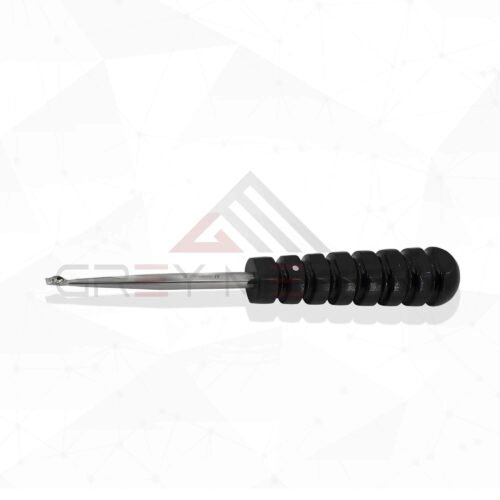
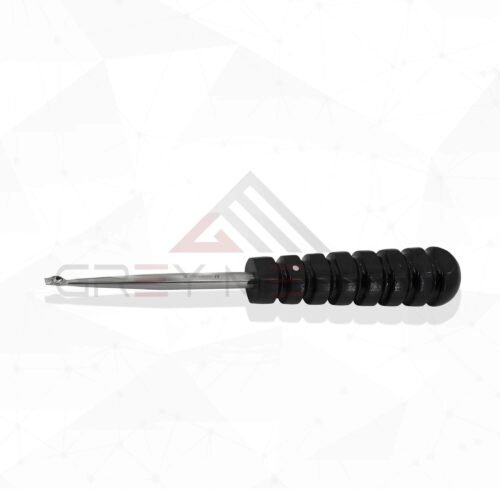
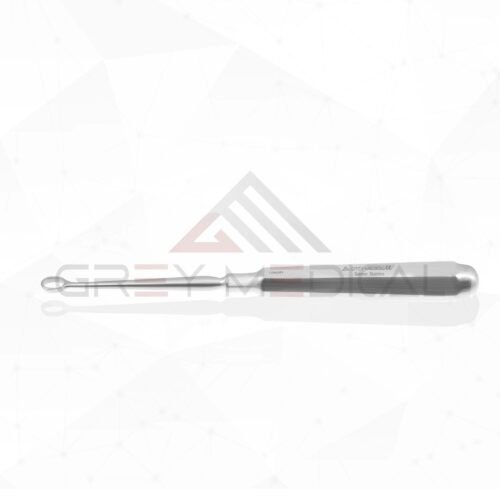
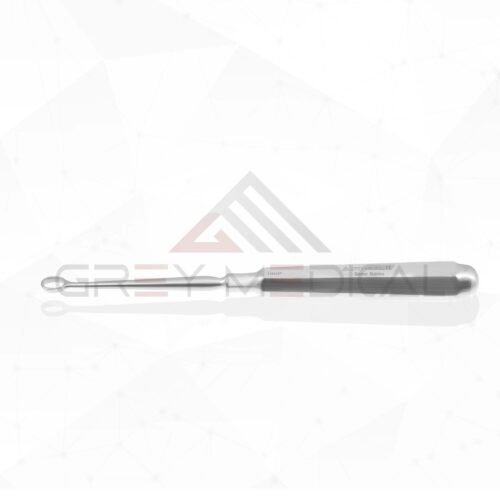

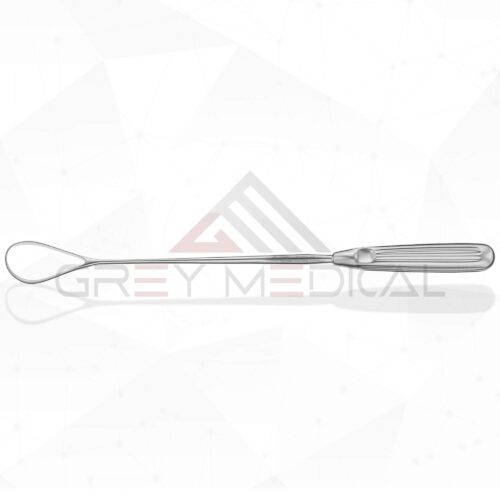
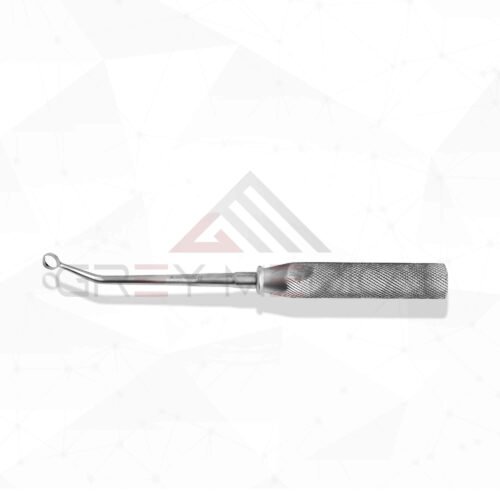

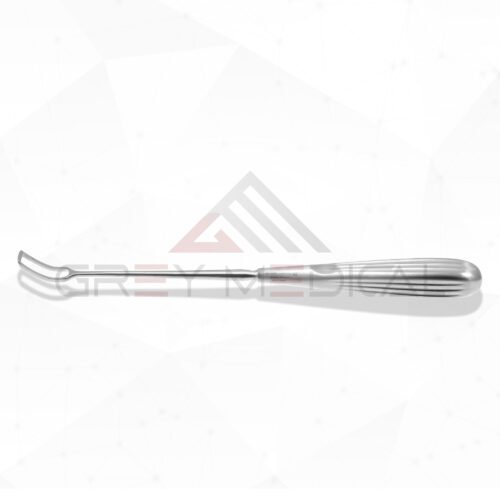
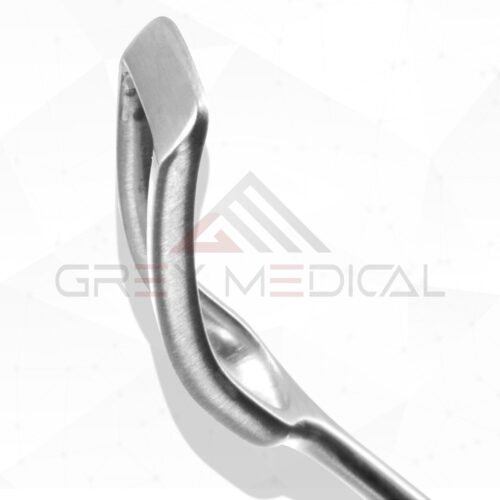
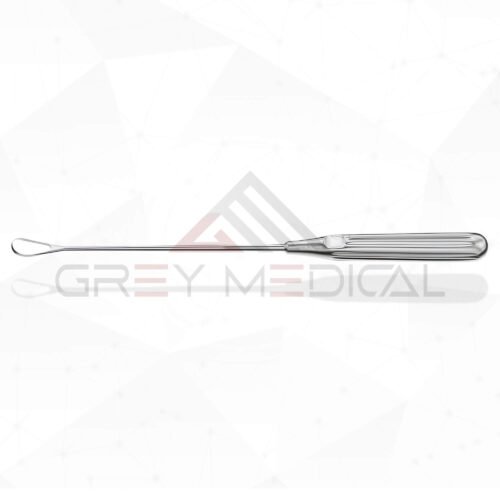
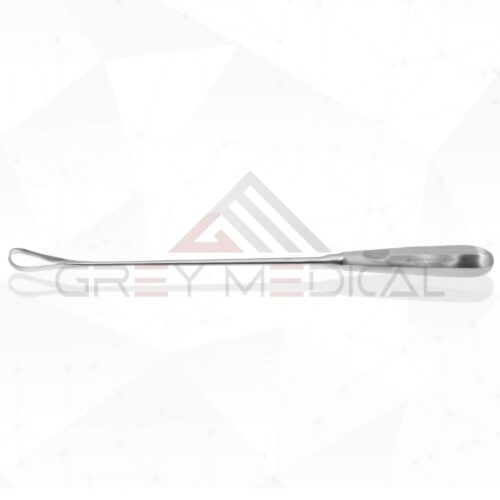
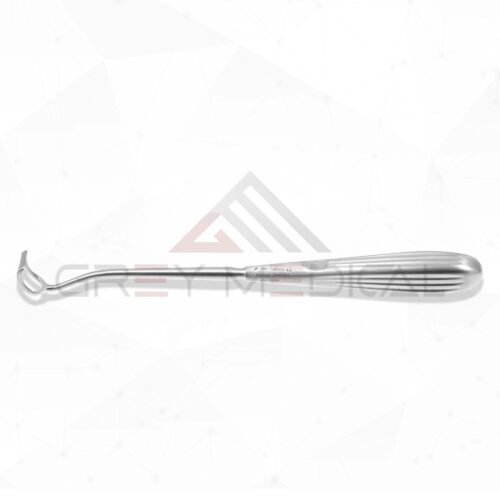

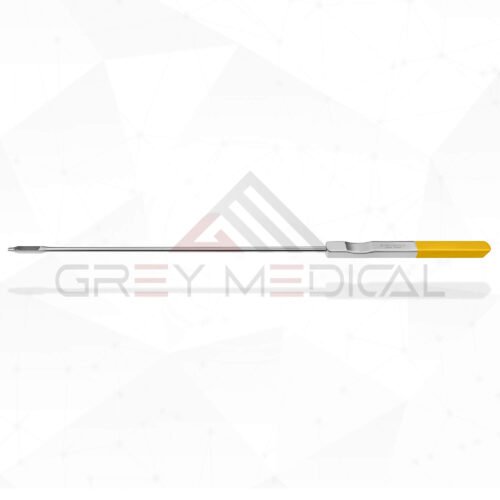
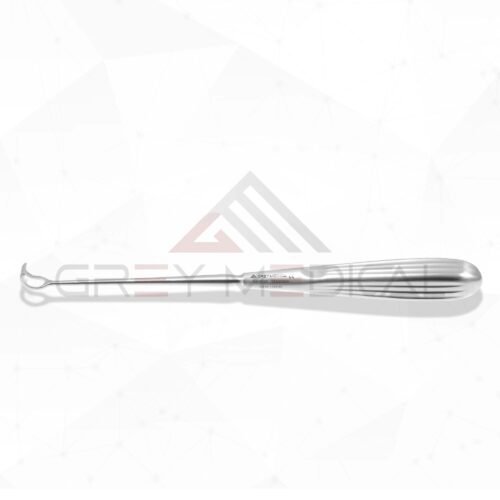
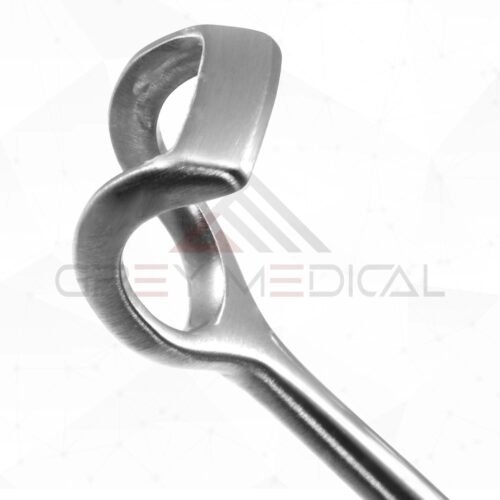
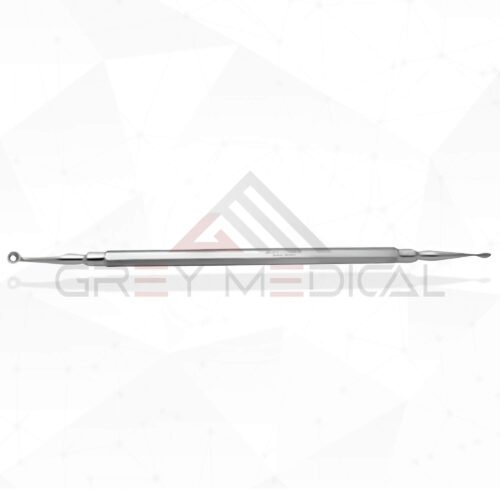
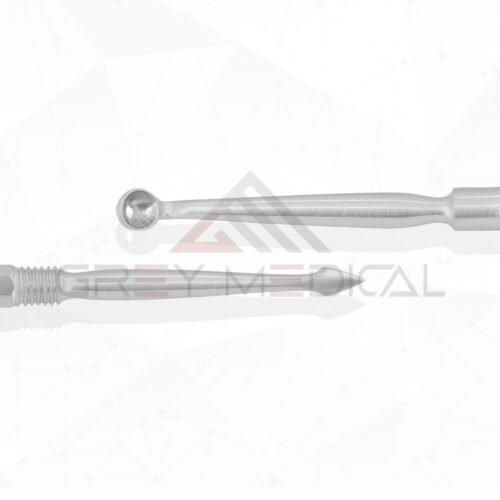
Dermal Curettes: Top-Graded Orthopedic Surgery Instruments for Debridement
Find dermal curettes for tissue removal and surgical debridement. Explore their types and features in orthopedic instruments and surgical procedures.
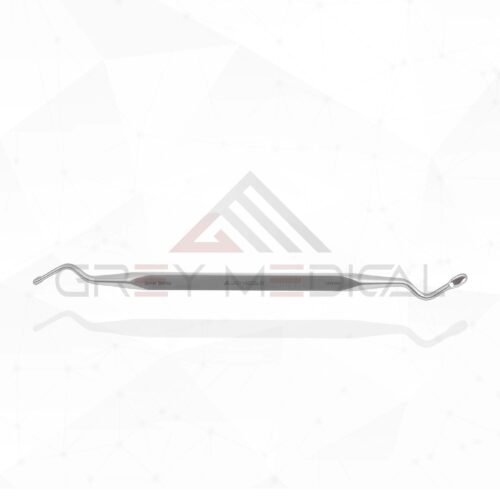
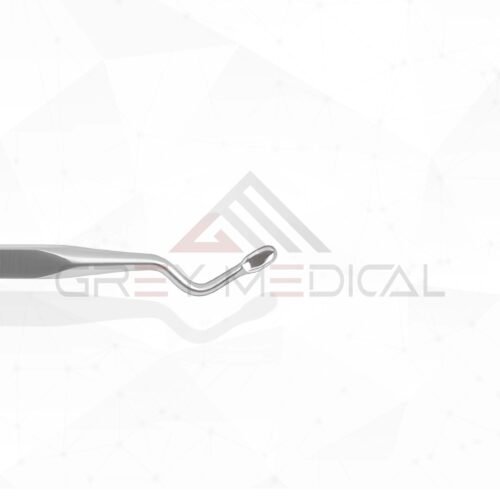
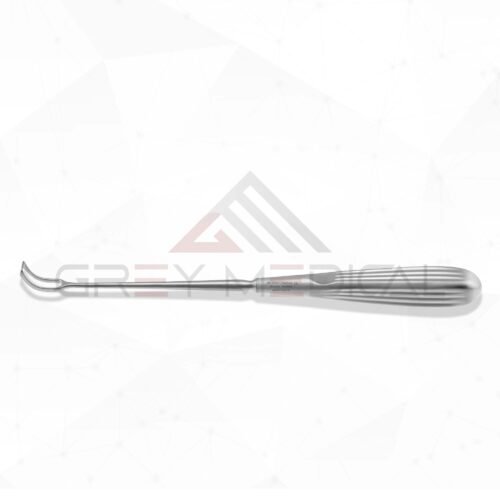
Dermal curettes are task-specific orthopedic surgery instruments created to skillfully debride and scrape off lesions and other soft tissues. Both orthopedic and dermatological surgical fields use these specialised surgical tools in their respective surgical fields.
These tools are made to gradually scrape off the unwanted tissue, such as necrotic material, from a bony surface. With a commitment to provide tools as strong as the Stryker orthopedic instruments, these tools maximize comfort during their performance.
This breakdown will shed light on different types, features, and uses of dermal curettes that you must know about.
What Major Types of Dermal Curettes are there?
| Types | Design and Structure | Uses | Examples |
| Oval Cup Curettes | Created with an oval or spoon-shaped tip for proper scraping in curved areas. | Helps debride necrotic tissues. | Piffard Dermal Curette |
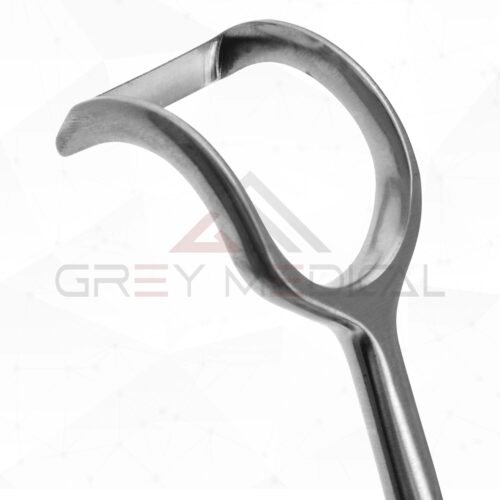
| Ring Dermal Curettes | Made with a circular loop. The inner edge is sharp, but the outer surface is smooth. | Helps remove lesions without any harm to the normal tissues. | Small Ring Curette, Large Ring Curette |
| Fine Tip Curettes | Crafted with properly fine tips. | Assists surgeons in scraping sensitive surgical areas. | Micro Dermal Curette |
| Double-Ended Curettes | Made with two different working ends. However, the tip sizes may vary. | Helps with multiple dermal and orthopedic procedures. | Double-Ended Dermal Curette |
What features of dermal curettes make them distinct in function?
The following features of dermal curettes make them stand out in orthopedic surgery instruments:
- Cutting Edge: The edges of dermal curettes can be obtained in different configurations, such as beveled or ground-edged. This helps with sampling the tissues.
- Construction Material: German Grade Stainless Steel is used as the construction material for dermal curettes. This provides easy cleaning and longevity.
- Diameter Variation: Different diameters are available. For example, 2, 3, 4, 5, 6 mm.
- Design and Structure: The working loop, which works on the inside, is made sharper. While the outer working surface is smooth to protect the healthy tissues.
FAQs
Q1: What different functions does a dermal curette perform during orthopedic surgeries?
The dermal curettes, in different variations, perform procedures such as lesion removal, preparation of orthopedic and dermal surfaces, reconstructive surgeries, and debridement of dead tissues during orthopedic and dermal procedures.
Q2: What to look for while ordering dermal curettes?
You should always tally your requirements with the features of the dermal curettes. See if the dermal curette has an atraumatic design and controlled working edges.
Q3: What types of dermal curettes find the most usage in orthopedic instruments?
Mostly, surgeons use oval-shaped and ring curettes in everyday orthopedic surgical procedures.
Q4: What to do when a dermal curette stops functioning properly?
If a dermal curette stops functioning properly, get the problem diagnosed at a surgical supply store. If that doesn’t work, check with the parent company for a replacement.
Q5: How can we care for our orthopedic surgical instruments to keep them working?
You can care for orthopedic surgical instruments by cleaning them after every use. This prevents the development of rust and keeps the orthopedic instrument in its right shape.
Explore Grey Medical’s Range of Orthopedic Instruments
Grey Medical provides a collection of dermal curettes to facilitate dermatologists and orthopedic surgeons in their everyday function. This guide throws light on major types, features, and uses to help you to decide. If you have any queries, contact us now!