

 By Procedure, Knee Retractors, Knee Surgery Instruments, Ortho Retractor & Dissector, Orthopedic Instruments, Orthopedic Retractors, Special Retractors For Knee Surgery
“S” Total Knee Retractor
$85.00Select options This product has multiple variants. The options may be chosen on the product pageQuick View By Procedure, Knee Retractors, Knee Surgery Instruments, Ortho Retractor & Dissector, Orthopedic Instruments, Orthopedic Retractors, Special Retractors For Knee Surgery
Knee Retractor Strap
$45.00Select options This product has multiple variants. The options may be chosen on the product pageQuick View- By Procedure, Knee Retractors, Knee Surgery Instruments, Ortho Retractor & Dissector, Orthopedic Instruments, Orthopedic Retractors, Special Retractors For Knee Surgery
Knee Tissue Grasper
Price range: $75.00 through $80.00Select options This product has multiple variants. The options may be chosen on the product pageQuick View - By Procedure, Knee Retractors, Knee Surgery Instruments, Ortho Retractor & Dissector, Orthopedic Instruments, Orthopedic Retractors, Special Retractors For Knee Surgery
Lateral Soft Tissue Retractors
$70.00Select options This product has multiple variants. The options may be chosen on the product pageQuick View - By Procedure, Knee Retractors, Knee Surgery Instruments, Ortho Retractor & Dissector, Orthopedic Instruments, Orthopedic Retractors
Modified Hohmann Retractors
$75.00Select options This product has multiple variants. The options may be chosen on the product pageQuick View - By Procedure, Knee Retractors, Knee Surgery Instruments, Ortho Retractor & Dissector, Orthopedic Instruments, Orthopedic Retractors, Special Retractors For Knee Surgery
Modified Lambotte Osteotome
$60.00Select options This product has multiple variants. The options may be chosen on the product pageQuick View - By Procedure, Knee Retractors, Ortho Retractor & Dissector, Orthopedic Instruments, Orthopedic Retractors, Orthopedic Surgery Instruments
Ortho Lateral Soft Tissue Retractors
$70.00Select options This product has multiple variants. The options may be chosen on the product pageQuick View - By Procedure, Knee Retractors, Knee Surgery Instruments, Ortho Retractor & Dissector, Orthopedic Instruments, Orthopedic Retractors, Special Retractors For Knee Surgery
Ortho Ranawat Knee Retractor
$65.00Select options This product has multiple variants. The options may be chosen on the product pageQuick View - By Procedure, Knee Retractors, Knee Surgery Instruments, Ortho Retractor & Dissector, Orthopedic Instruments, Orthopedic Retractors, Special Retractors For Knee Surgery
PCL Retractor
Price range: $70.00 through $80.00Select options This product has multiple variants. The options may be chosen on the product pageQuick View - By Procedure, Knee Retractors, Knee Surgery Instruments, Ortho Retractor & Dissector, Orthopedic Instruments, Orthopedic Retractors, Special Retractors For Knee Surgery
PCL Retractor Double Prongs
Price range: $70.00 through $80.00Select options This product has multiple variants. The options may be chosen on the product pageQuick View - By Procedure, Knee Retractors, Knee Surgery Instruments, Ortho Retractor & Dissector, Orthopedic Instruments, Orthopedic Retractors, Special Retractors For Knee Surgery
Ranawat Knee Retractor
$65.00Select options This product has multiple variants. The options may be chosen on the product pageQuick View - By Procedure, Knee Retractors, Knee Surgery Instruments, Ortho Retractor & Dissector, Orthopedic Instruments, Orthopedic Retractors, Special Retractors For Knee Surgery
Self Retaining Knee Retractor
Price range: $75.00 through $80.00Select options This product has multiple variants. The options may be chosen on the product pageQuick View - By Procedure, Knee Retractors, Knee Surgery Instruments, Ortho Retractor & Dissector, Orthopedic Instruments, Orthopedic Retractors, Special Retractors For Knee Surgery
Z Knee Retractor
$65.00Select options This product has multiple variants. The options may be chosen on the product pageQuick View


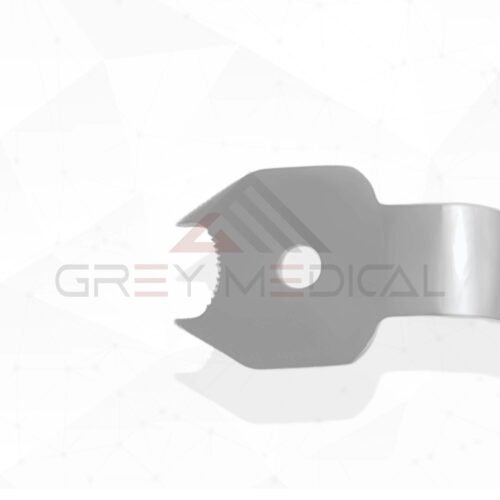


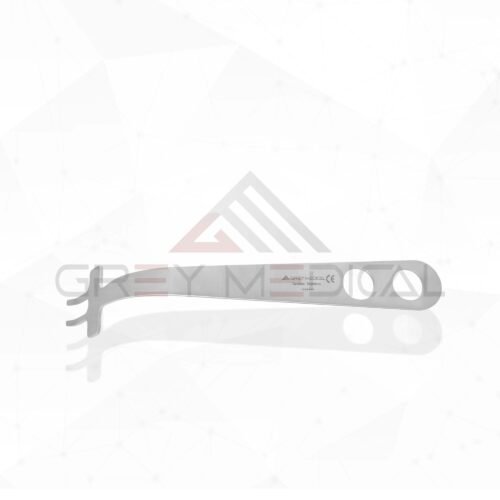


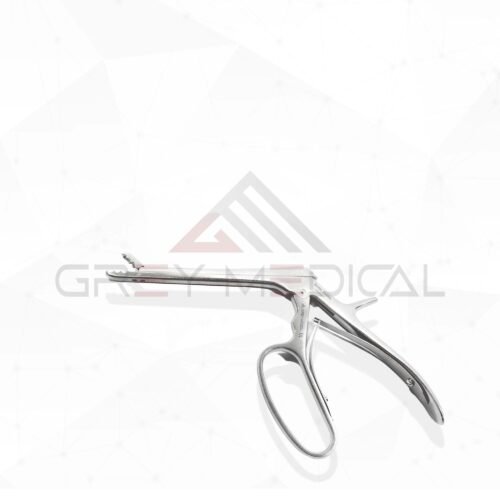

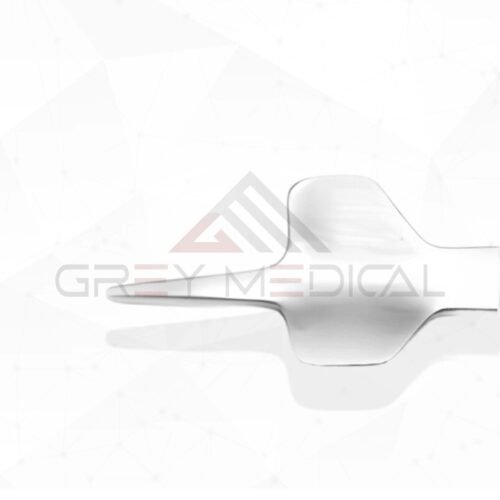

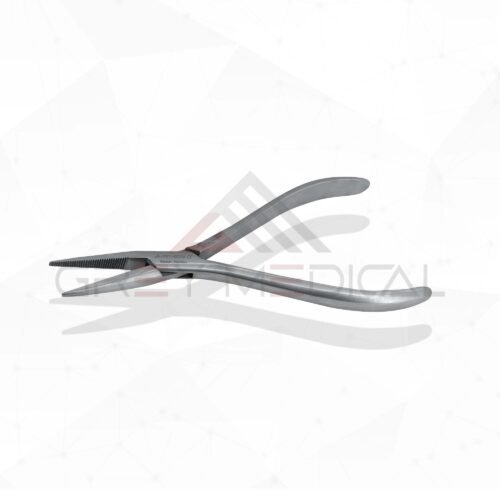
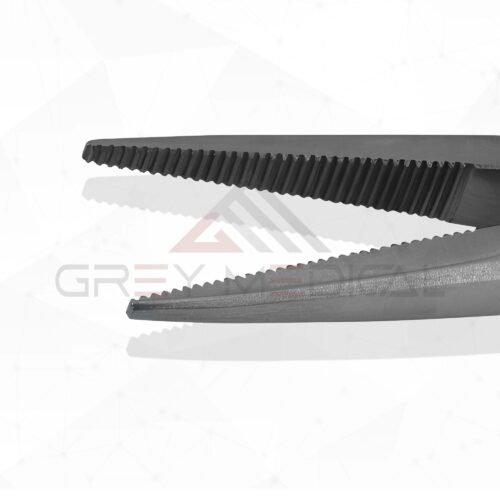


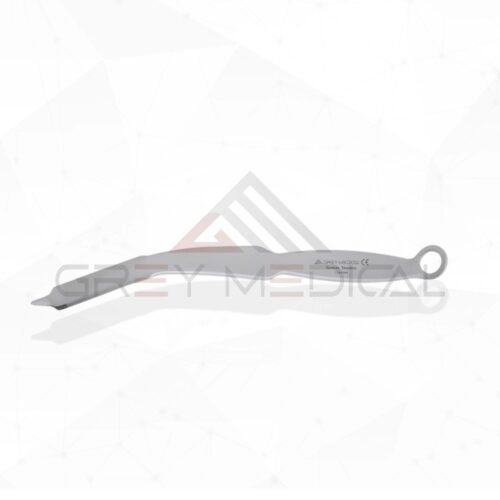





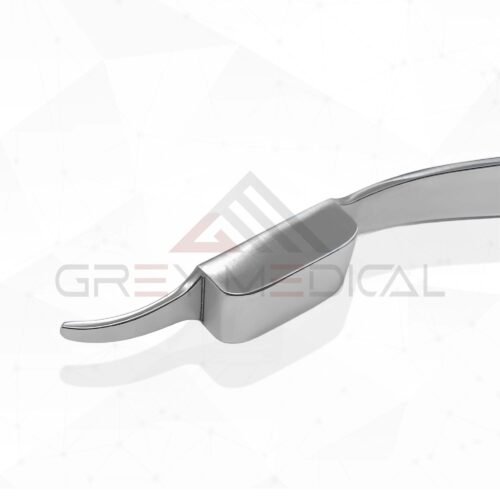

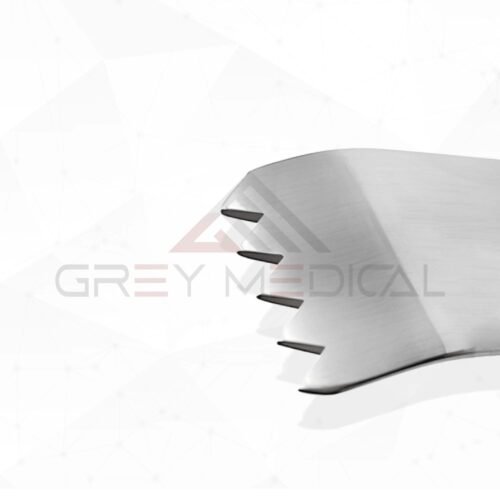
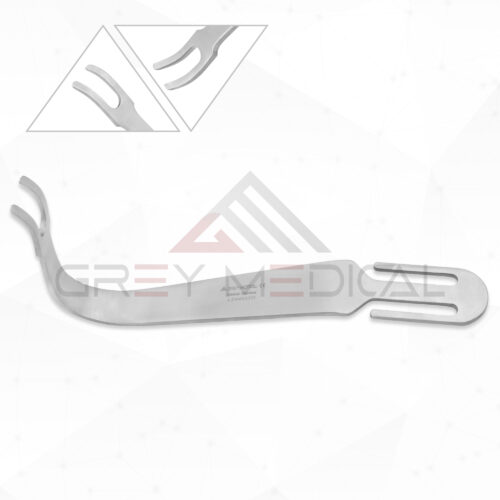
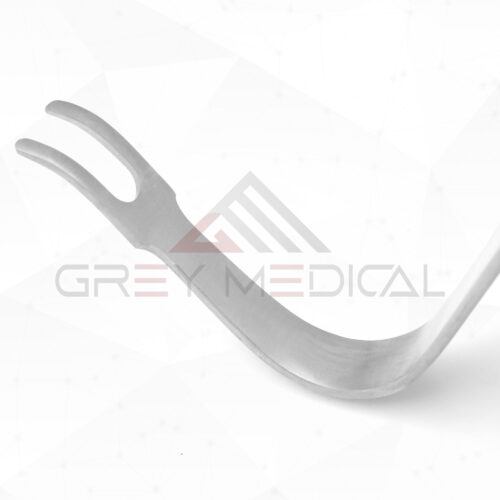


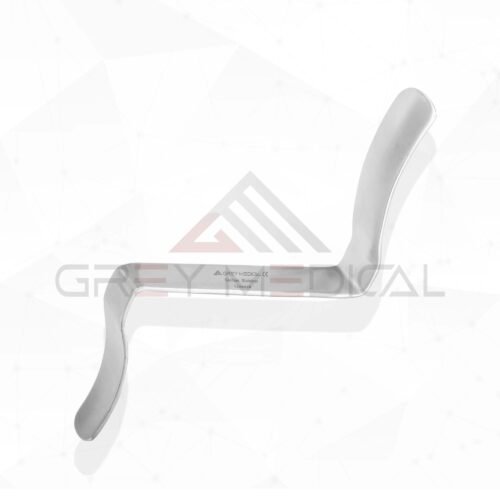


Knee Retractors: Orthopedic Surgery Instruments for Exposing Knee Joints
knee retractors used in orthopedic instruments. Explore types, features, and uses of orthopedic surgery instruments for knee joint exposure.
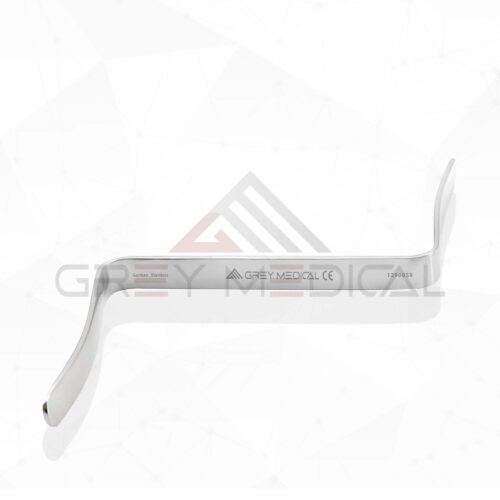
Knee retractors are procedure-specific orthopedic surgical instruments that help to push aside the tissues around the knee joint. Their unique configurations help ortho surgeons work effectively in limited access areas while minimising the chances of accidental damage. Every piece accommodates different joint anatomy, allowing easy retraction.
This category enlists different types and applications of major knee retractors. Get to know all about it.
What are the different types and uses of Knee Retractors?
Given is a quick overview of different types and uses of major knee retractors:
| Major Types of Knee Retractors | Structure | Uses | Examples |
| Bennett Knee Retractor | Broad edges with a slightly curved blade for wider exposure. | Helps probe close areas of the knee joint. | Standard Bennett Retractor, Wide Bennett Retractor |
| Z Knee Retractor | Blades are placed at an angle with a double-ended design for multi-directional access. | Aids in complex knee surgeries requiring different angles for retraction. | Single-Ended Z Retractor, Double-Ended Z Retractor. |
| Cobra Knee Retractor | Cobra-shaped blade with curved edges for joint contouring. | Facilitates advanced orthopedic procedures and knee replacement surgeries. | Standard Cobra Retractor, Curved Cobra Retractor. |
| Hohmann Knee Retractor | Lean structure with a pointed tip for secure placement. | Works on soft tissue located near the bone during knee procedures. | Standard Hohmann Retractor, Mini Hohmann Retractor |
Other examples of these orthopedic surgical instruments are the Blount Knee Retractor, the Ortho Minimally Invasive Anterior Femoral Retractor, the “S” Total Knee Retractor, the Z-Retractor, and the Chandler Retractor.
What are the defining features of Knee Retractors?
The following are the defining features of premium knee retractors:
- Contoured Blade Design: Orthopedic surgeries mainly deal with the natural contours of the tibia and femur. Therefore, knee retractors are available in right-angled and curved designs to facilitate deep retraction without harming the natural structure of the bones.
- Self-Holding Variations: Usually, orthopedic surgeries can last for hours. Therefore, orthopedic surgeons prefer having knee retractors with ratchet lock mechanisms. For example, specialised “S” knee and Gelpi retractors retract the knee joints while keeping the surgeon’s hands free.
- Atraumatic Tips: Mostly, in the lateral or medial aspects of the joint, knee retractors with blunt ends or rounded tips work wonders. For example, Hohmann retractors have rounded tips, helping the surgeons lift tissues gently.
- Construction Material: High-grade surgical stainless steel is used in the construction of knee retractors. This material is strong enough to withstand impact and force, mostly involved in orthopedic surgeries.
FAQs
Q1: How to keep your knee retractors in their right shape?
To keep knee retractors in their right shape, follow the cleaning guide in letter and spirit. After every use, wipe, cleanse, sterilise, and store the orthopedic surgical instruments in their surgical kits.
Q2: What’s the difference between a general retractor and a knee retractor?
Knee retractors are different from general retractors, as they are specifically designed and manufactured to assist the retraction of the knee joint and tissues. Their wide blades and ratchet locks are just right for stable knee retraction.
Explore Advanced Orthopedic Surgical Instruments at Grey Medical
Knee-related procedures are now facilitated with the help of top-grade orthopedic surgery instruments such as the knee retractors. They help expose the knee joints and provide a visible surgical field. Grey Medical offers a variety of different knee retractors for gentle and convenient knee retraction.
This guide has a general overview of different types, features, and uses to help you decide on the type best suited for you. For step-by-step procedural help, get in contact with us now!