ENT Instruments: A Buyer’s Guide to Ear, Nose, and Throat Instruments
Discover Grey Medical’s selection of ENT instruments. Study the major categories, common types, and features of ENT Surgical Instruments in this guide.
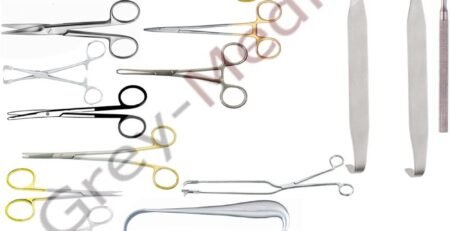
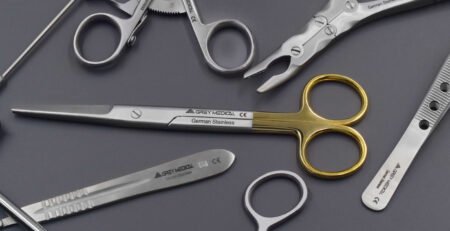
ENT Instruments, as the name suggests, are Ear, Nose, and Throat-specific medical instruments for diagnosis and treatment of otolaryngological procedures. Procedures such as repairing a damaged eardrum, treating chronic sinusitis, or performing endoscopic surgery require function-specific tools for manipulation. Therefore, ENT Instrument Suppliers provide otolaryngology instruments and stainless steel ENT instruments for optimum results.
This article is a buyer’s guide on ear, nose, and throat instruments. We will discuss major categories, common types, and features of ENT medical instruments in detail. Let’s get started!
What Are ENT Instruments?
ENT Instruments are speciality-specific medical instruments crafted to analyse and treat disorders of the neck, ear, nose, and throat. Otolaryngologists require highly specialised microsurgical equipment to manipulate the narrow surgical area, as specific to ENT. Additionally, healthcare professionals in the outpatient department may also require tools for everyday examination.
How do ENT Surgical Instruments help surgical procedures?
Here’s a list of different operations and surgeries where ENT medical instruments find usage:
- Tonsil and adenoid surgery
- Airway reconstruction
- Nasal and sinus surgery
- Head and neck surgery
- Laryngeal and vocal cord procedures
- Endoscopic ENT procedures
- Diagnostic examinations
What are the Major Categories of ENT Instruments?
Modern otolaryngology caters to the following major categories of instruments. Let’s learn about them:
| Category | Primary Role | Procedures |
| Ear Surgery Instruments | Used for inner and middle ear procedures | Mastoidectomy, Tympanoplasty |
| Laryngeal Instruments | Helps perform microsurgery of the larynx and vocal cord | Microlaryngoscopy |
| Diagnostic Instruments | Allows primary examination | Ear, nose, and throat examinations |
| Retractors & Exposure Instruments | Enhances visualization of the surgical field | Open ENT procedures |
| Endoscopic Instruments | Allows access and visualization, while keeping it minimally invasive | Sinus surgery, Nasal Endoscopy |
| Cutting & Dissecting Instruments | Allows incision of the tissues | Microsurgical procedures |
| Suction & Aspirating Instruments | Excavates fluid and removes blood and surgical smoke | Nearly all ENT procedures |
| Nasal Surgery Instruments | Enables septal surgery | Functional Endoscopic Sinus Surgery (FESS) |
What are the most commonly used ENT Instruments?
The most commonly used ENT instruments can be studied here in a table:
| Instrument | Primary Role | Clinical Use |
| Nasal Speculum | Allows surgeons to open the nasal cavity for better access | Nasal assessment |
| Microlaryngeal Forceps | Holds microlaryngeal tissues | Biopsies, Vocal Cord Surgeries |
| Otoscope | Helps examine the tympanic membrane and the ear canal | Routine ENT examinations |
| Alligator Forceps | Helps pick up foreign bodies | Nasal and Ear surgeries |
| Nasal Rongeurs | Allows the removal of cartilage and bone | Sinus surgery and Septoplasty |
| Ear Curettes | Aids in removal of cerumen | OPD routine checkups |
| Microlaryngeal Scissors | Assists in incising the tissues under microscopic guidance | Excising the lesions |
| Laryngoscope | Provides a clear view of the larynx | Airway Management |
| Rosen Needle | Keeps the tissues elevated | Ear microsurgery |
| Frazier Suction Tube | Captures the fluid | Microsurgery |
What ENT Instruments do different Surgical Procedures Use?
Each procedure requires a different set of diagnostic and surgical tools. Here’s a brief introduction to different ENT procedures and the major instruments specific to these:
- Septoplasty: Microsurgical scissors, nasal speculum, septum forceps, and elevators.
- Tonsillectomy: Scissors, Tonsil Forceps, Mouth Gag
- Microlaryngoscopy: Microlaryngeal Forceps, Operating Laryngoscope, Micro Scissors
- Functional Endoscopic Sinus Surgery (FESS): Blakesley Forceps, Endoscope, Graspers, Suction Tubes.
- Tympanoplasty: Micro Forceps, Rosen Needle, Ear Speculum
- Vocal Cord Surgery: Laser Instruments, Suction Tubes
What Features Should a Surgeon Look for in High-Quality ENT Instruments?
Having structurally accurate medical equipment improves surgical outcomes. Therefore, before you buy an ENT instrument, checking these boxes from the list is important:
Working Tips
During ENT procedures, having finely made working tips enhances the overall finish of the surgical site. Therefore, before buying, double-check if the working tip you’re ordering has the right length and shape you are intending to use.
Finish
Prefer using ENT microsurgical tools that have a matte or satin finish. This eases the view and prevents glare.
Construction
Stainless Steel ENT Instruments go a long way in your surgical practice. They are sterilisation-compatible and prevent the buildup of rust. The overall body should be lightweight, and handles should have ring-like spaces for proper hold.
Compatibility
Every tool should be compatible with the endoscopic systems and operating microscopes. This keeps the operation fully integrated with all the right tools.
FAQs
Q1: How can I guarantee the authenticity of ENT Instruments?
Before making an online purchase, see if the online surgical supply store possesses ISO-compliant quality management systems. Make sure the ENT medical instruments are CE-certified.
Q2: How can I choose the right Otolaryngology Instruments?
Every ENT surgery demands a particular set of surgical instruments. You can choose the right tool by identifying the specifications of a procedure, compatibility of the tool, tip design, instrument length, and relying on a reliable manufacturer.
Q3: How long can reusable ENT instruments be used?
If the surgery technicians properly care for the ENT medical instruments by checking their hinges and sterilizing them after every surgery, the reusable ENT instruments can last for many years. However, if the tool is not properly cared for, it can develop rust.
Q4: Should hospitals buy directly from ENT Instrument Suppliers?
Yes. Hospitals should buy directly from the ENT instrument suppliers. In this way, they can ask for changes and customisation, wherever needed and required. They can work in coordination with the manufacturing team, instructing them on the requirements regarding tip style, handle design, and working tips, among others.
Q5: What does a Frazier Suction Tube do in ENT?
In ENT procedures, a Frazier Suction Tube allows surgeons to drain the ear canal and remove blood or fluid from the nasal passages when required.
Perform ENT Surgeries with Grey Medical’s Graded Range of ENT Instruments
Grey Medical opens up its supply store to medical facilities all over the globe. With their top-graded range of ENT Instruments, they allow surgeons to manipulate in a restricted area with ease. This buyer’s guide instructs on major categories, types, and features of ENT instruments, in an attempt to enable facilities to get the right tool for the job.